Annual vs Monthly at Launch: The Cash-Flow Math Nobody Shows You
- Hold Tight Editorial
- 20 May 2026
Most founders pick a billin
Read MoreMost founders pick a billing cadence by vibes. Monthly feels friendlier, so they default to it, and then they wonder why they are always one bad month from a cash crisis. The billing decision is not a UX choice. It is a financing decision, and for an early company it can be the difference between making it to the next milestone and not.
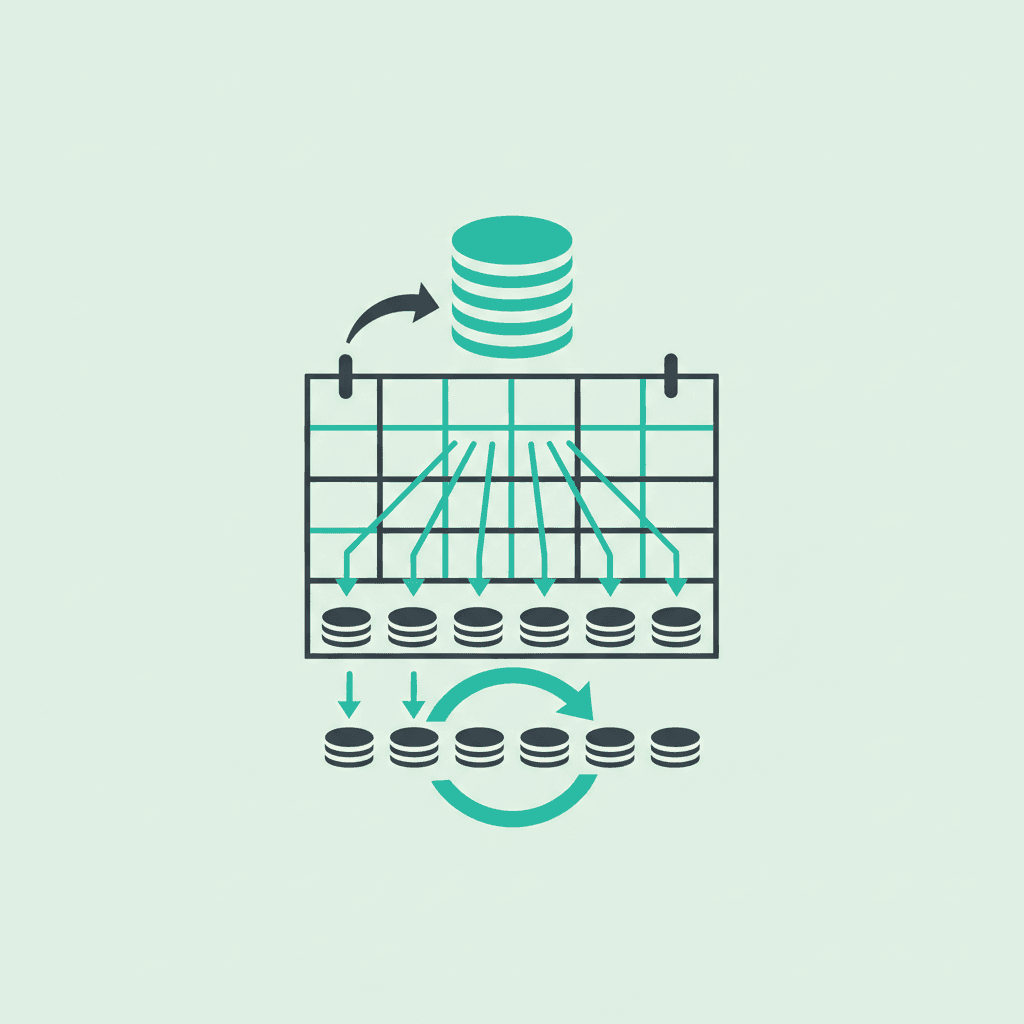
Annual billing means you collect twelve months of cash on day one instead of dripping it in over a year. The runway impact is real: companies leaning on annual contracts commonly operate with 30 to 50% more working capital than monthly-billed peers, which can extend effective runway by two to three months. For a bootstrapped or pre-Series-A company, two to three months is sometimes the entire game.
There is a clean way to think about it: prepaid annual contracts create negative working capital. Your customers finance your growth, at zero interest, in advance. That is the cheapest money you will ever raise.
Say you close 10 customers at $200/month.
Same revenue on paper. Completely different company. The annual version can hire, run ads, or simply survive a slow quarter. The monthly version is praying.
And it compounds on churn. Annual contracts churn at roughly half the rate of monthly, partly through "committed inertia": once someone has prepaid for a year, they actually onboard, adopt features, and stick. Monthly customers leave the month they get distracted.
Annual maximizes cash and retention but can lower initial conversion, because a year up front is a bigger ask. Monthly maximizes conversion but creates the cash and churn problems above. You do not have to pick one. You engineer the choice:
If runway is tight, lean hard on annual. The discount you give up is cheaper than the financing round you avoid. Cash in the bank is not a vanity metric. It is oxygen.
Related: pricing a private beta and the first pricing page that maximizes revenue.
Most founders pick a billin
Read MoreThe most expensive mistake
Read MoreYour pricing page is the hi
Read More